Perth residents spend thousands on beautiful decks, pergolas, and fences to relax outdoors and have alfresco dinners, weekend barbecues and long summer evenings. But many complain that timber fades, cracks, and splinters within just a few seasons. The climate of Perth brings high UV above 40°C, sea salt air and moist winters, which all hamper the wood. Weatherproofing outdoor carpentry in Perth can help protect timber from all these threats at once. But many have no clue about how to weather proof furniture. The guide will talk about that so that your outdoor wooden furniture can have a lifespan of decades.
Why Perth’s Climate Is Uniquely Tough on Outdoor Timber
Outdoor timber in Perth faces a challenging environment. Here are a few key reasons:
The UV Problem
Perth has some of the highest sunshine hours of any Australian capital city, and the continuous exposure of timber to UV radiation damages it easily. The natural polymer of the wood fibres, called lignin, is broken down by UV radiation, leading to fading, chalking and loss of colour. Even quality hardwoods used for Perth roofing can show noticeable weathering within two to three years if left unprotected.
Salt Air — The Hidden Enemy
Homes near the seas are exposed to salt-laden air carried inland by coastal breezes. Suburbs around the five kilometres of the coast, such as Fremantle, Cottesloe, Scarborough, and Rockingham, are at a greater risk of salt air timber damage like rusted fixings and coating failures. When there is exposure to salt, timber fibres may also dry up and crack or warp when surfaces are not covered.
The Wet-Dry Cycle
The climate of Perth is hot and dry in summer and wet in winter. This process of repeated cycles leads to the expansion, contraction and uptake of moisture in timber as time goes by. For example, an unprotected pine fence in Cottesloe can bleach from UV rays and splinter in 18 months, whereas one in Kalamunda can crack more quickly because of the hot summer weather.
Choose the Right Timber for Perth’s Conditions
The process of outdoor carpentry maintenance begins prior to installation. The type of timber you use will influence the performance of your outdoor carpentry in Perth.
Hardwoods — Jarrah, Merbau, Spotted Gum
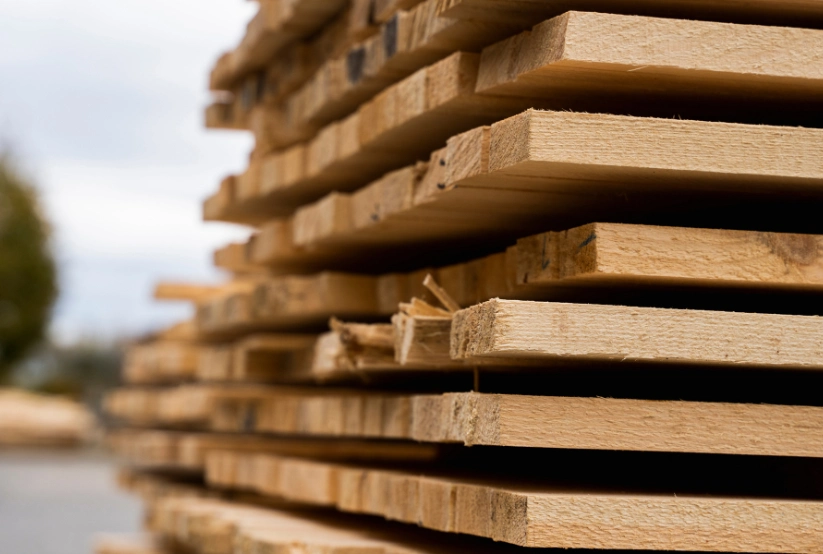
In Perth, hardwoods are used due to their heat-resistant properties and durability.
- Jarrah Merbau decking maintenance is easy. They are popularly used in suburban areas of the Hills, such as Kalamunda and Mundaring, due to their resistance to bushfires and their traditional appearance.
- Dense hard woods cope better with the hot summers in Perth as opposed to softwoods.
- When oiled frequently, hardwood decking may last 25-40 years (or longer) above ground.
- There is still a need to use a UV protection timber coating to prevent fading and surface wear.
Treated Pine — Budget-Friendly but Demanding
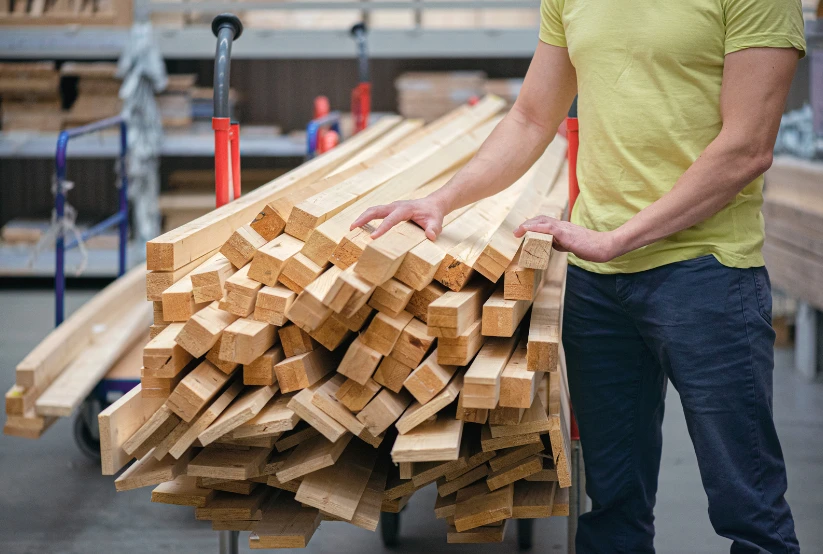
Treated pine is a relatively inexpensive choice for general carpentry installations like fences, pergolas, and decks. But it requires frequent maintenance.
- Untreated pine outdoors may rot in five years.
- H3-treated pine outdoors can be used in above-ground decking and fencing.
- Posts on the ground should be made of H4 pine.
- Treated pine life expectancy with maintenance can be 10-20 years.
In coastal Perth homes, select a coating that protects against UV exposure as well as saline air and re-coat every 2-4 years.
Composite Decking — The Low-Maintenance Alternative
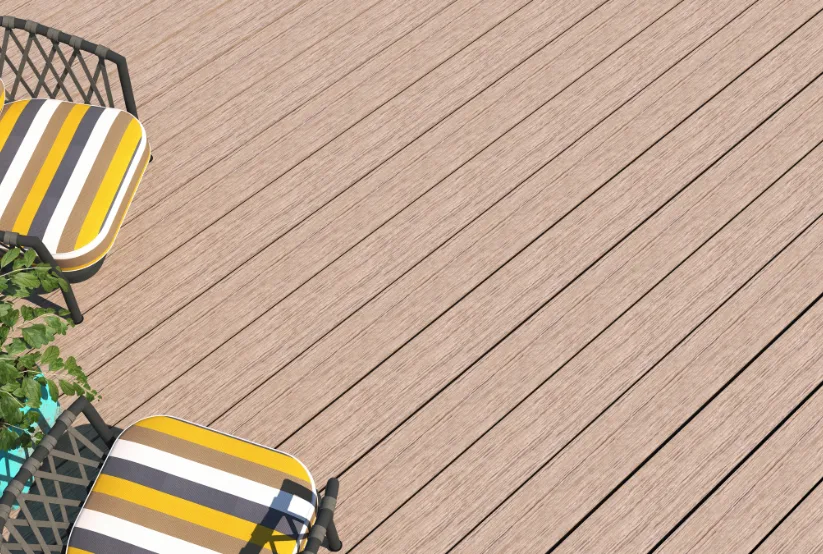
Composite decking is a low-maintenance and durable alternative to natural timber.
- Constructed of wood fibre and recycled plastic.
- Resistant to rot, insects, and moisture damage.
- No sanding, staining or oiling is necessary.
- Comes with up to 25-year warranties.
Many residential carpenters use composites like Pacific Teak in coastal suburbs like Cottesloe and Scarborough because they are highly resistant to salt exposure.
The Essential Weatherproofing Toolkit — What to Apply and When
Protective coatings help timber withstand UV radiation, moisture, and seasonal temperature changes.
Penetrating Oils — Best for Decking and Hardwoods
Outdoor decks are commonly treated with penetrating oils since they sink into the timber instead of developing a delicate layer on the surface. Cabot Australian Timber Oil is the most widely used, as it helps to prevent the effects of UV degradation and, at the same time, preserves the appearance of natural timber.
Key guidelines:
- Timber deck oiling should be done once every 12-18 months in the climate of Perth.
- Use oils that contain UV inhibitors in order to reduce greying.
- It is recommended to seal timber only after it is clean and completely dry.
- Never seal wet boards to avoid stagnant water.
Spar Urethane and Marine Varnish — For Fences, Pergolas, and Furniture
These transparent finishes provide a shield against weather exposure.
- Oil-based spar urethane is highly durable outdoors.
- Certain products can turn faintly yellow with time.
- Marine varnish is made to endure constant exposure to salt moisture.
This renders marine varnish particularly practical for homes close to the coastline of Perth. Many custom furniture makers in Perth rely on this solution.
Exterior Stain and Sealer — Colour With Protection
Exterior stains protect timber while adding colour.
- Transparent stains preserve the natural timber appearance with limited UV protection
- Semi-transparent stains show grain while adding colour and protection
- Solid stains provide the strongest UV defence
A lot of stains also have an integrated outdoor wood sealer, which means that they do not have to be applied twice.
Epoxy-Based Sealers — For Maximum Moisture Defence
Epoxy sealers are great for furniture waterproofing in moisture-prone areas.
They are commonly used for:
- Deck waterproofing around swimming pools
- To protect pergola timber
- External buildings exposed to frequent rain
If water no longer beads on your deck surface and begins soaking in, it is time to reseal.
Step-by-Step — How to Weatherproof Outdoor Timber in Perth
Proper preparation ensures that weatherproofing products perform effectively. If you are wondering how to waterproof furniture, follow these steps:
Step 1 — Clean the Surface
Clean and wipe the timber with a gentle detergent solution. Before coating the timber, it should be dried thoroughly for 48 to 72 hours.
Step 2 — Sand and Inspect
Light sanding is done to expose the worn-out layer and enable coating to penetrate the timber. Before covering the surface, check the area to see whether there are any soft areas, rot, loose fixings, or other structural damage.
Step 3 — Apply Primer or Base Coat
Primers are particularly important for timber fencing weatherproofing in coastal homes. A salt-resistant primer helps the coating to be more adhesive and durable.
Step 4 — Apply Your Chosen Finish
Use thin and even strokes across the grain of the wood.
- Oiled hardwoods normally need two coats.
- Treated pine is normally coated with three coats.
Seal every exposed part, such as joints, undersides, and post bases, to prevent moisture entry.
Step 5 — Schedule Your Next Maintenance
Weatherproofing outdoor carpentry in Perth requires ongoing care. Check screws, brackets and fasteners once a year, particularly in coastal suburbs where the salt may speed up the corrosion process. Also, make sure that the water can drain effectively off decking surfaces to ensure that they are not damaged permanently.
Perth-Suburb-Specific Weatherproofing Tips
Different areas of Perth experience slightly different environmental conditions. Adjusting your weatherproofing strategy based on location can significantly extend the lifespan of outdoor carpentry.
| Suburb Type |
Key Threats |
What to Prioritise |
| Coastal (Cottesloe, Scarborough, Fremantle) |
Salt spray, UV, corroding fixings |
Marine-grade stainless fixings, salt-inhibiting primer, annual re-oil |
| Hills (Kalamunda, Mundaring) |
Bushfire risk, high summer heat, winter damp |
BAL-rated timber species, flexible acrylic coatings, mould-resistant sealers |
| Southern suburbs (Armadale, Canning Vale) |
Extreme heat above 40°C, reactive soil movement |
Light-coloured coatings, expansion gaps in decking boards, annual inspection |
| Northern suburbs (Joondalup, Wanneroo) |
Sandy abrasion, UV, dust |
Washable satin finishes, frequent cleaning, solid stains over transparent |
Common Weatherproofing Mistakes Perth Homeowners Make
Many outdoor timber structures deteriorate faster because of simple maintenance mistakes.
- Sealing damp timber traps moisture inside the wood and can lead to rot.
- Skipping primer in coastal homes often causes coatings to peel or fail early.
- Using indoor products outdoors leaves timber exposed to Perth’s strong UV.
- Ignoring fixings can lead to rust and weakened structural connections. Stainless steel fixings are recommended.
- Waiting too long between maintenance cycles makes restoration more expensive once timber becomes grey or cracked.
Maintenance Schedule — Keep Your Outdoor Carpentry Protected Year-Round
Routine maintenance is the most effective way to keep outdoor carpentry structurally sound and prevent the need for furniture restoration services.
| Task |
Frequency |
| Sweep decks, clear debris from joints |
Weekly |
| Wash with mild detergent |
Every 3–6 months |
| Inspect fixings, fasteners, and posts |
Annually |
| Re-oil hardwood decking (Perth climate) |
Every 12–18 months |
| Re-coat treated pine or painted timber |
Every 2–4 years (coastal: every 2 years) |
| Professional inspection of elevated structures |
Every 3–5 years |
| Full restoration if heavy weathering |
As needed — do not delay |
FAQ — Weatherproofing Outdoor Timber in Perth
How often should I seal my timber deck in Perth?
Apply a penetrating oil or decking stain every 12–18 months for timber decking in Perth’s climate, choosing UV-resistant oils to reduce greying and splitting.
Does salt air damage outdoor timber in Perth?
Yes. Salt-laden air accelerates the ageing of untreated timber, causing it to warp or degrade more quickly — coastal Perth homes need more frequent maintenance and marine-grade products.
What is the best timber for outdoor carpentry in Perth?
Jarrah and Merbau are excellent hardwood choices for Perth’s climate; composite decking is increasingly popular for coastal suburbs like Cottesloe and Scarborough due to its superior salt and UV resistance.
Can I weatherproof outdoor timber myself, or do I need a professional?
Basic oiling and sealing is DIY-friendly on accessible single-storey structures. However, elevated pergolas, structural repairs, or stripped-back restoration work is best handled by an experienced carpenter who can also identify underlying rot or fixing failures.
How long does outdoor timber last in Perth if properly maintained?
Hardwoods like Jarrah offer a lifespan of 25–40+ years above ground with regular maintenance; treated pine can last 10–20+ years; composite decking typically carries warranties of up to 25–50 years.
Conclusion
Perth’s climate can be unforgiving on outdoor timber, yet the correct materials, finishes, and care plan can significantly increase its lifespan. Weatherproofing helps to preserve the beauty and the durability of your exterior carpentry. If you want expert help protecting or upgrading your outdoor structures, contact the Perth carpenters for professional carpentry solutions.